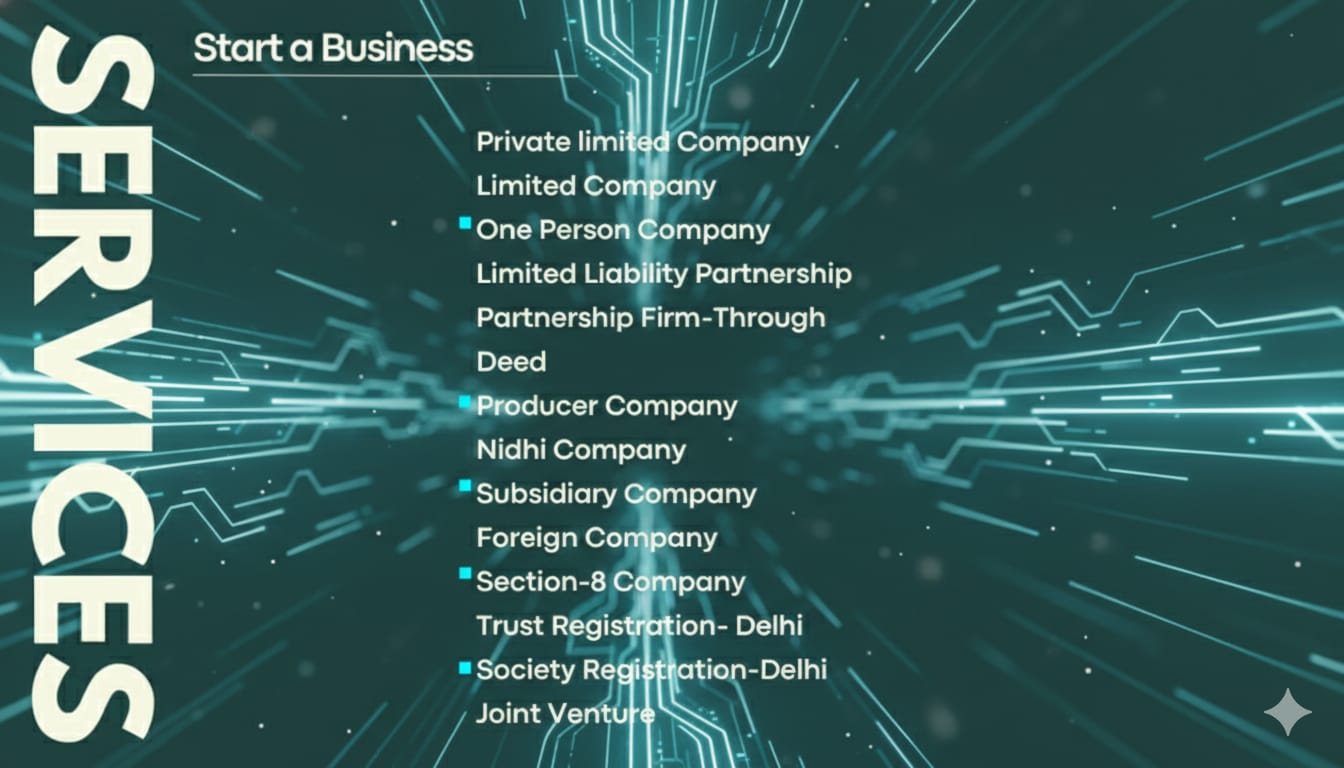
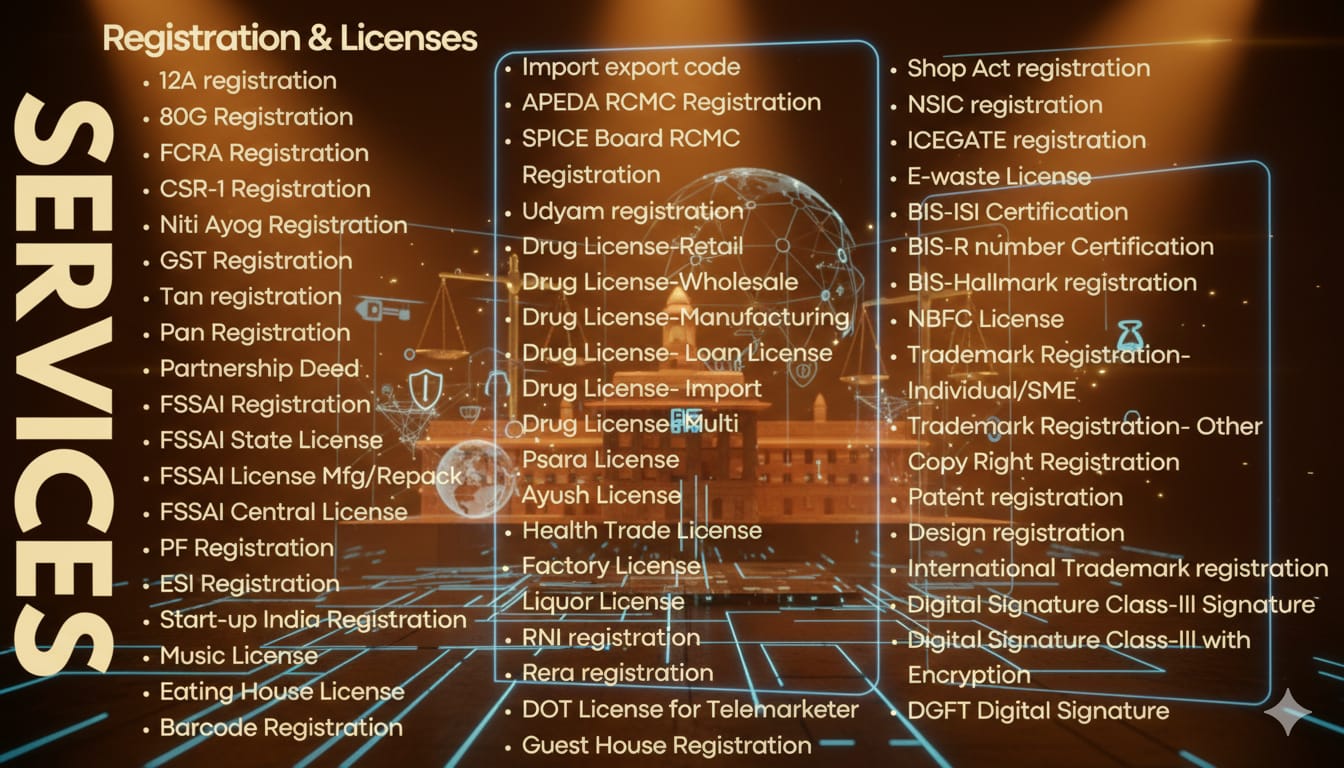
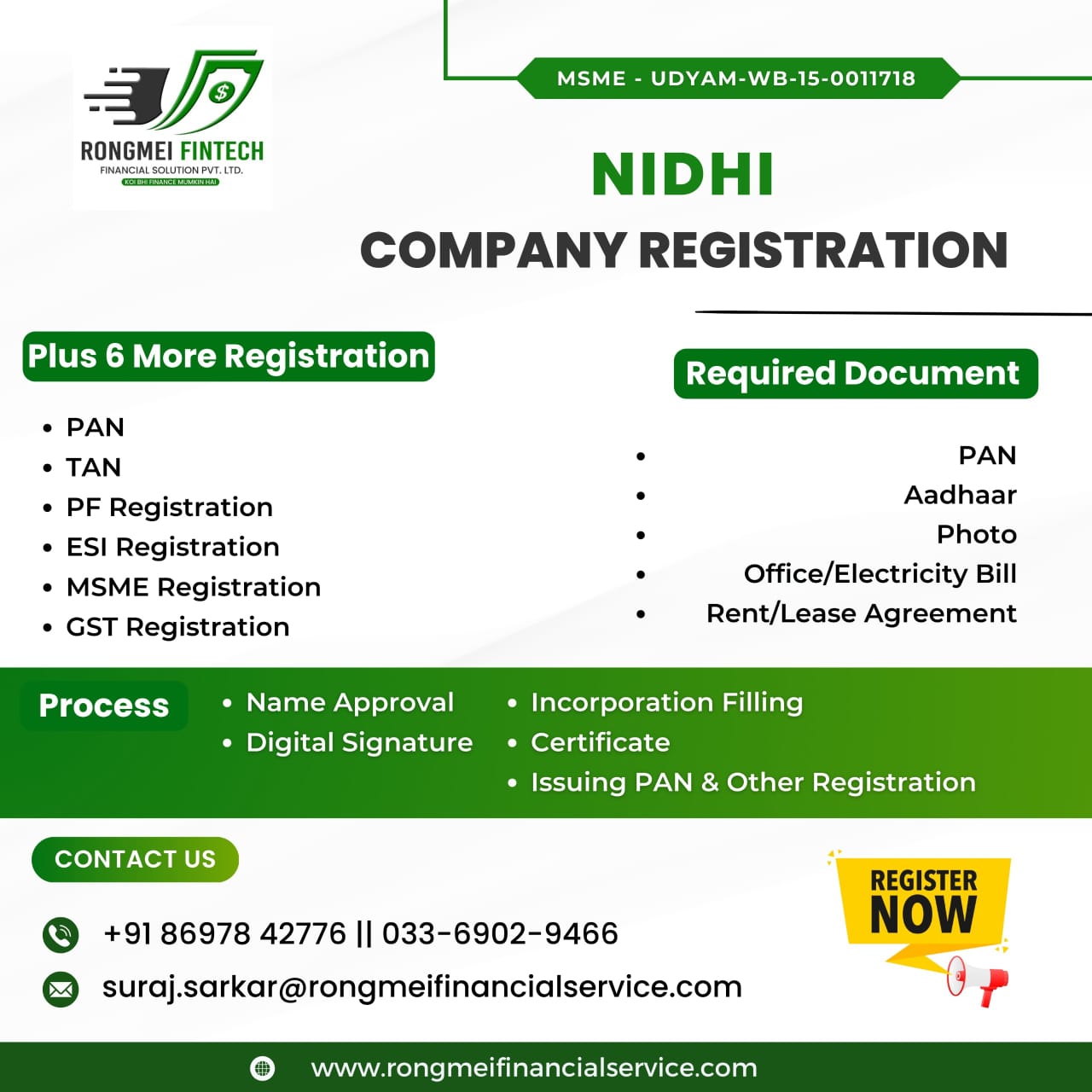
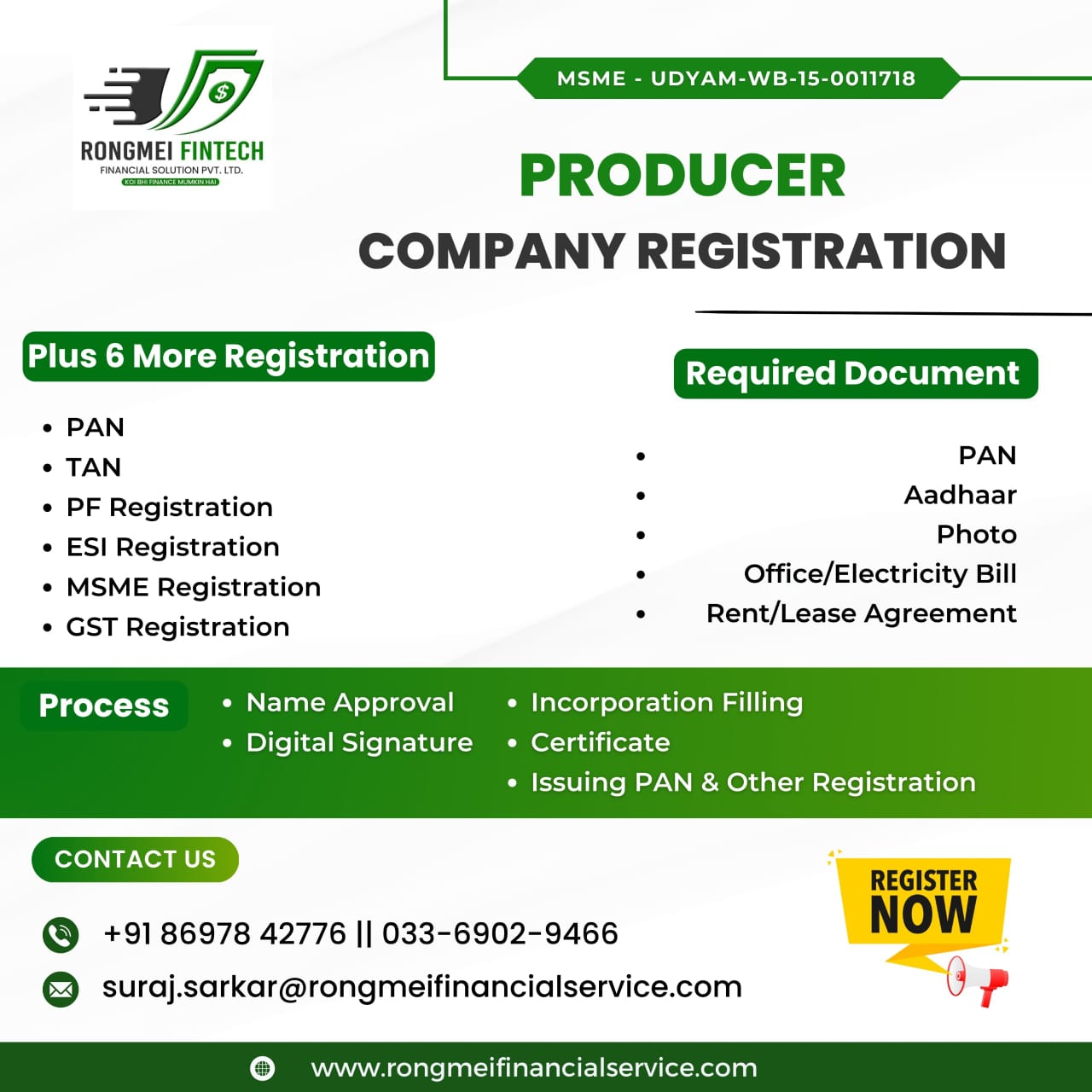
PRIVATE LIMITED COMPANY REGISTRATION IN INDIA
- In India, a private limited company is a privately held entity with limited liability, and it ranks among the nation's most favored business structures. This popularity is primarily attributed to its numerous advantages, including limited liability protection, ease of formation and maintenance, and its status as a distinct legal entity. A private limited company enjoys legal separation from its owners and necessitates a minimum of two members and two directors for its operation. Here are the key characteristics of a private limited company in India:
- Limited Liability Protection: Shareholders of a private limited company are liable only to the extent of their shareholding. Their assets remain safeguarded, even in cases of financial setbacks incurred by the company.
- Separate Legal Entity: A private company possesses its own distinct legal identity. It can own property, engage in contracts, and initiate or defend legal actions under its unique name.
- Minimum Number of Shareholders: A private company must have a minimum of two shareholders and cannot exceed 200 shareholders.
- Minimum Number of Directors: A private limited company necessitates a minimum of two directors. At least one of these directors must be an Indian citizen.
- Minimum Share Capital: The company must maintain a minimum paid-up capital of Rs. 1 lakh or a higher amount as specified.
- Name of the Firm: The private limited company's name must conclude with the words "Private Limited."
- Restrictions on Share Transfer: The right to transfer shares within a private limited company is restricted. Shares can only be transferred with the approval of the Board of Directors or following the company's Articles of Association.
- Prohibition on Public Invitation: Private limited companies are prohibited from inviting the public to subscribe to their shares or debentures.
- Compliance Requirements: Private limited companies are obligated to adhere to various legal and regulatory obligations, including maintaining proper financial records, conducting annual general meetings, and filing annual returns with the ROC.
Documentation ::
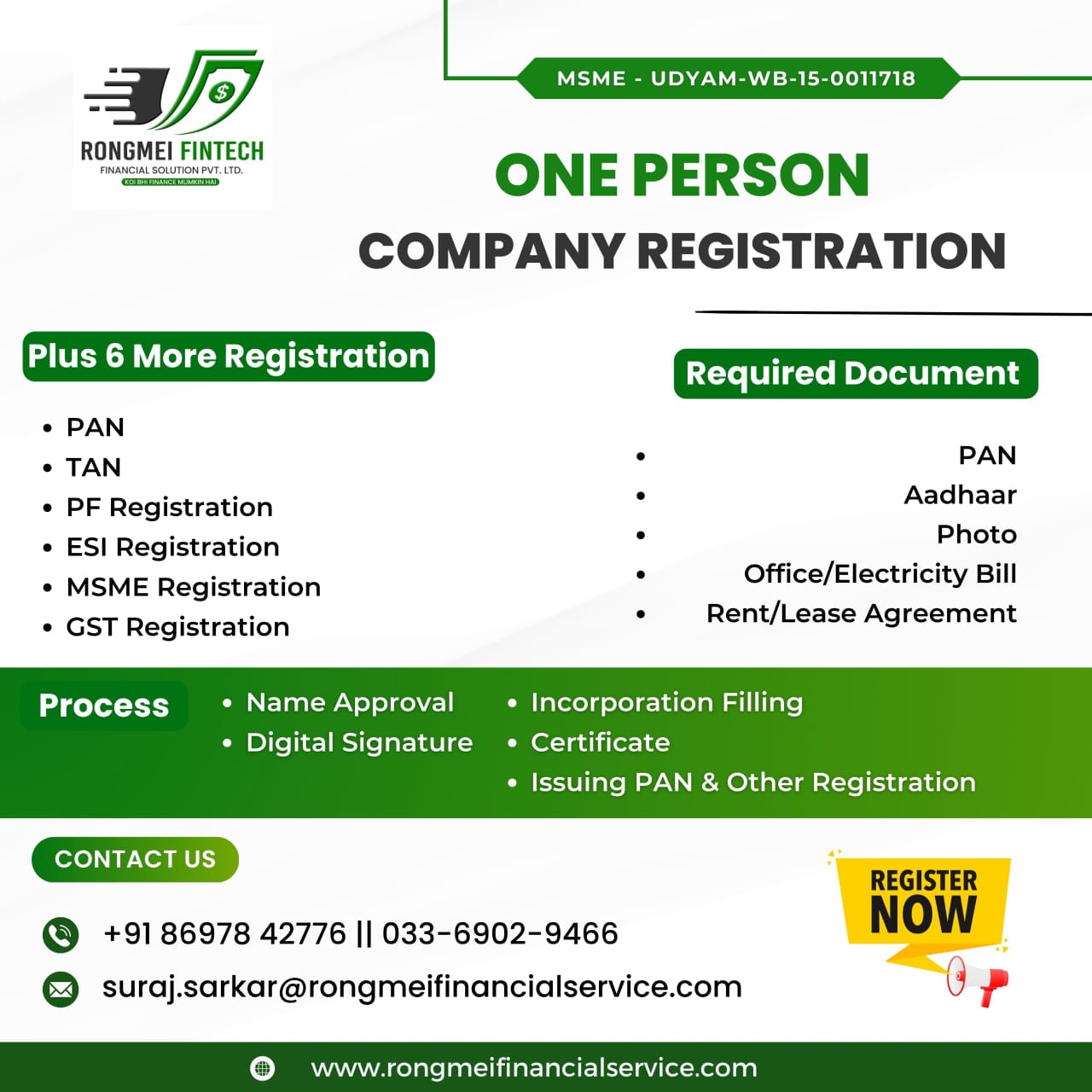
The first set of documents required for company registration in India include the KYC documents of the promoters. Promoters are the first shareholders and directors of a company who are involved in its establishment and carry some interest in the company’s business. All these promoters will have to submit scanned, self-attested copies of the following documents:
- PAN Card
- Adhar Card
- ID Proof – Indian Promoters can submit any of among their Driving Licence, Voter ID, and passport. For foreign promoters, the passport is mandatory
- Address Proof – Promoters can submit any utility bill or bank statement in their name with their address written on it. The address proof must not be older than 2 months.
- Digital Signature – Class 3 Digital Signature of the authorized director to Sign the application for Company Registration.